Utah Housing Corporation Programs Explained (2026)
If you’re trying to buy your first home in Utah and the down payment is the thing holding you back, Utah Housing Corporation (UHC) is worth a close look. UHC is the state’s housing finance agency. It offers 30-year fixed first mortgages through approved lenders and pairs them with down payment assistance, so qualified buyers can get into a home with little or no cash of their own.
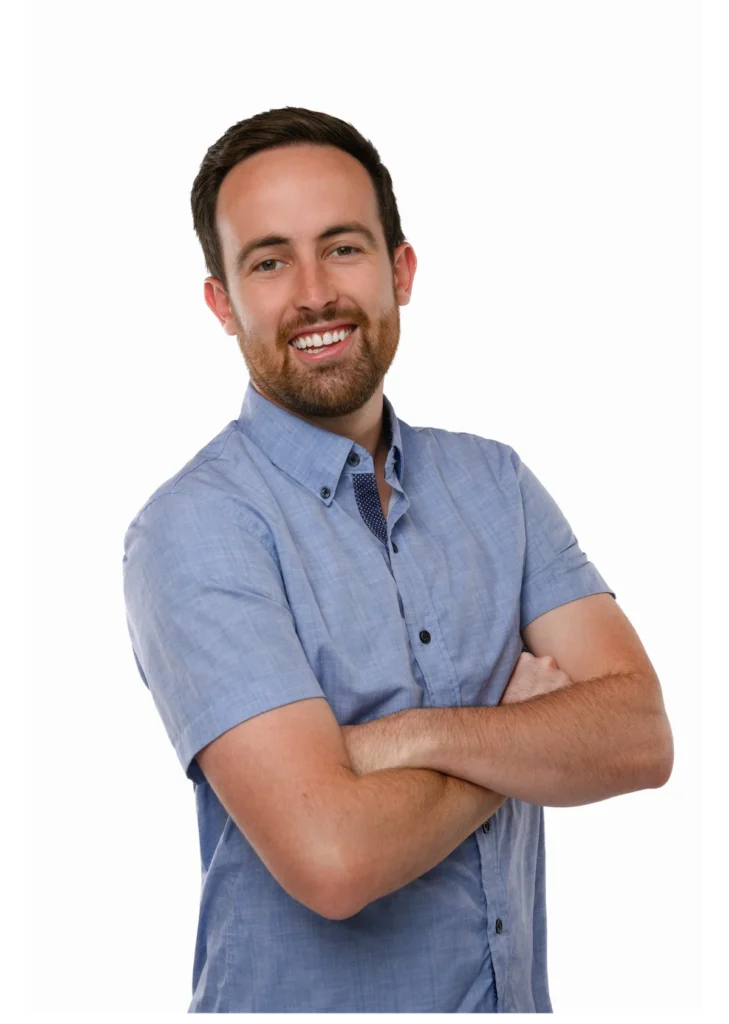
I’m Caleb Adams, a licensed mortgage broker based in North Logan, Utah. I help buyers in Cache Valley and across Utah figure out whether a UHC loan is the right move or whether another option costs less over time. This page explains how the programs work as of this writing. Program details change, so I always confirm current rules on utahhousingcorp.org before we make decisions.
How Utah Housing loans work
A UHC loan is usually two loans working together:
- A first mortgage. A 30-year fixed rate loan from UHC’s lineup, originated through a participating lender.
- A down payment assistance (DPA) second mortgage. A separate loan that can cover your minimum down payment and some or all of your closing costs. It’s only available when paired with a UHC first mortgage.
The assistance is a loan, not free money, so it has to be paid back. That’s the most important thing to understand before you choose this route.
The current first mortgage programs
According to UHC’s current program matrix, there are three main first mortgage options:
FirstHome
- For first-time homebuyers, meaning no ownership interest in a principal residence in the three years before closing. UHC lists exceptions for single parents and veterans.
- 660 minimum credit score.
- Income limits and purchase price limits apply, and they vary by county and household size.
- Single-family homes; manufactured homes may be allowed with pre-approval and specific standards.
- Homebuyer education is recommended, but not required.
FHA/VA
- Open to first-time buyers and repeat buyers.
- 620 minimum credit score.
- No UHC purchase price limit; FHA and VA loan amount limits apply. UHC does set an income limit.
- Can be used for single-family homes, PUDs, condos, townhomes, and qualifying manufactured homes on a permanent foundation.
- If every buyer on the loan is a first-time buyer, at least one must complete homebuyer education before closing.
Freddie Mac HFA Advantage
- A conventional option open to first-time and repeat buyers.
- 680 minimum credit score for single-family homes, 700 for 2 to 4 unit properties.
- No purchase price limit; Freddie Mac conforming loan limits apply.
- Can be used for single-family homes, PUDs, condos, ADUs, and 2 to 4 unit properties. Manufactured homes are not allowed.
All three are 30-year fixed rate loans, and you must move into the home within 60 days of closing. If you’ve seen older articles mentioning other UHC program names, those may no longer be current. The UHC matrix is the source I go by.
Down payment assistance options
UHC currently offers two versions of its DPA second mortgage:
See What You Could Qualify For
Get a free, no-obligation rate quote in minutes.
Get Your Free Rate QuoteTry the Wealth-Builder Calculator
See how buying vs. renting affects your long-term wealth, updated live as you adjust the numbers.
See The Wealth You're Really Building
Move the sliders below and watch how buying stacks up against renting — not just in monthly payments, but in real, long-term net worth.
Want your full buying power? Try the Buying Power Calculator ->
- Traditional DPA. Up to 6% of the first mortgage loan amount, capped at $27,500. It’s a 30-year fixed rate loan with a monthly payment. The rate is 1% higher than your UHC first mortgage rate; if the first mortgage rate is above 8%, the second matches the first.
- Deferred DPA. Up to 3.5% of the first mortgage loan amount, capped at $27,500. No monthly payment. It carries 3.5% simple interest that is deferred, and the balance plus interest is due when you sell, refinance, or reach the end of the term.
Here’s a purely hypothetical example. On a $400,000 first mortgage, 6% would be $24,000 in traditional DPA, which is under the $27,500 cap. The deferred option at 3.5% would be $14,000 with no monthly payment. I’ll run both against your budget so you can see the trade-off.
Other Utah first-time buyer programs
- First-time Homebuyer Assistance Program (new construction). Created by the Utah Legislature, this program lets eligible first-time buyers borrow up to $20,000 toward down payment, closing costs, or a permanent rate buydown on a newly built home that has never been lived in. The purchase price can’t exceed $450,000, you must qualify for a UHC mortgage, and funds are available until they run out.
- Utah Homebuyer Veteran Grant. Eligible veterans and military members who separated within the last five years and are buying their first Utah home may receive up to $2,500 that does not need to be repaid, while funds last.
- Law enforcement assistance. UHC administers a program for Utah law enforcement and correctional officers. Availability is limited, so check current openings with UHC.
Who UHC programs fit
- First-time buyers with steady income and decent credit but not much saved
- Buyers whose rent is climbing faster than their savings
- Buyers of new construction homes under the $450,000 cap
- Recent veterans buying their first home in Utah
Who may do better elsewhere
- Buyers who already have their down payment. A regular FHA or conventional loan may carry a lower rate and no second loan.
- Buyers over the income limit for their county and household size.
- Buyers in eligible rural areas, who should compare a USDA loan, which can allow no down payment.
- Veterans, who should compare a standard VA loan.
- Buyers planning to sell or refinance soon, since the second mortgage has to be paid off at that time.
Costs and trade-offs
UHC first mortgage rates can run somewhat higher than a standard loan, and the traditional DPA second adds its own monthly payment at a rate 1% above your first mortgage. You’ll still have normal closing costs, though the DPA can help cover them. FHA loans also carry mortgage insurance. The honest comparison isn’t “UHC versus the lowest rate you saw online.” It’s buying now with assistance versus continuing to rent while you save. I’ll lay out the total monthly payment and cash to close for each path so you can decide.
How the process works
- Talk it through. We review your income, credit, savings, and household size to see which UHC program, if any, fits.
- Check the limits. I confirm current income and purchase price limits for the county where you’re buying.
- Compare options. I put UHC next to FHA, conventional, USDA, or VA so you can see real numbers side by side.
- Get pre-approved. You shop for homes knowing your price range and cash to close.
- Close. Once you’re under contract, the loan goes through underwriting and UHC’s review before closing.
Local notes for Cache Valley and Northern Utah
I’m based in Cache Valley and focus on Logan and Southeast Idaho, and I’m licensed in Utah, Idaho, and Texas. UHC sets FirstHome purchase price and household income limits by county and household size, and the FHA/VA and HFA Advantage programs carry their own income limit. These numbers are updated periodically, so I confirm the current limits for your county and household on UHC’s site before you start shopping. UHC programs are Utah only. If you’re buying across the border in Idaho, there are separate state programs to look at. For the full step-by-step, see my Utah first-time home buyer guide and pre-approval checklist.
Frequently asked questions
Do I have to be a first-time buyer to use Utah Housing?
Not for every program. FirstHome requires first-time buyer status (no ownership in the past three years, with some exceptions), but UHC’s FHA/VA and Freddie Mac HFA Advantage programs are open to repeat buyers too.
What credit score do I need for a Utah Housing loan?
UHC lists a 620 minimum for FHA/VA, 660 for FirstHome, and 680 for Freddie Mac HFA Advantage on single-family homes. Lenders may have their own requirements on top of that.
How much down payment assistance can I get?
Up to 6% of your first mortgage amount with the traditional DPA, or up to 3.5% with the deferred DPA. Both are capped at $27,500.
Do I have to pay the down payment assistance back?
Yes. The traditional DPA has a monthly payment. The deferred DPA has no monthly payment, but the balance and deferred interest are due when you sell, refinance, or the loan matures.
Is there a Utah first-time buyer program for new construction?
Yes. Eligible first-time buyers can borrow up to $20,000 toward a newly built, never-occupied home priced at $450,000 or less, while funds last.
Do I need a homebuyer education class?
For UHC’s FHA/VA program, at least one borrower must complete it if everyone on the loan is a first-time buyer. For FirstHome it’s recommended but not required. Freddie Mac offers a free online course.
Find out if you qualify
The fastest way to know whether Utah Housing makes sense for you is to run your real numbers. Book a call with me and I’ll compare UHC against your other options so you can make a clear decision.
Caleb Adams, NMLS #2281316. First Class Home Mortgage, NMLS #1843. Terms, programs, and eligibility vary; not all applicants will qualify. This is not a commitment to lend.